Beat the House Bonus Buy Slots: The Questions Worth Asking First
Bonus buy slots let you skip the base-game grind and pay a set multiple of your stake to trigger the feature instantly. For Australian players weighing up the shortcut, the maths behind the buy price matters as much as the theme or the soundtrack. Here’s a decision guide built around the questions worth asking before you load the reels and reach for that glowing button.
What Does It Cost to Beat the House Bonus Buy Slots?
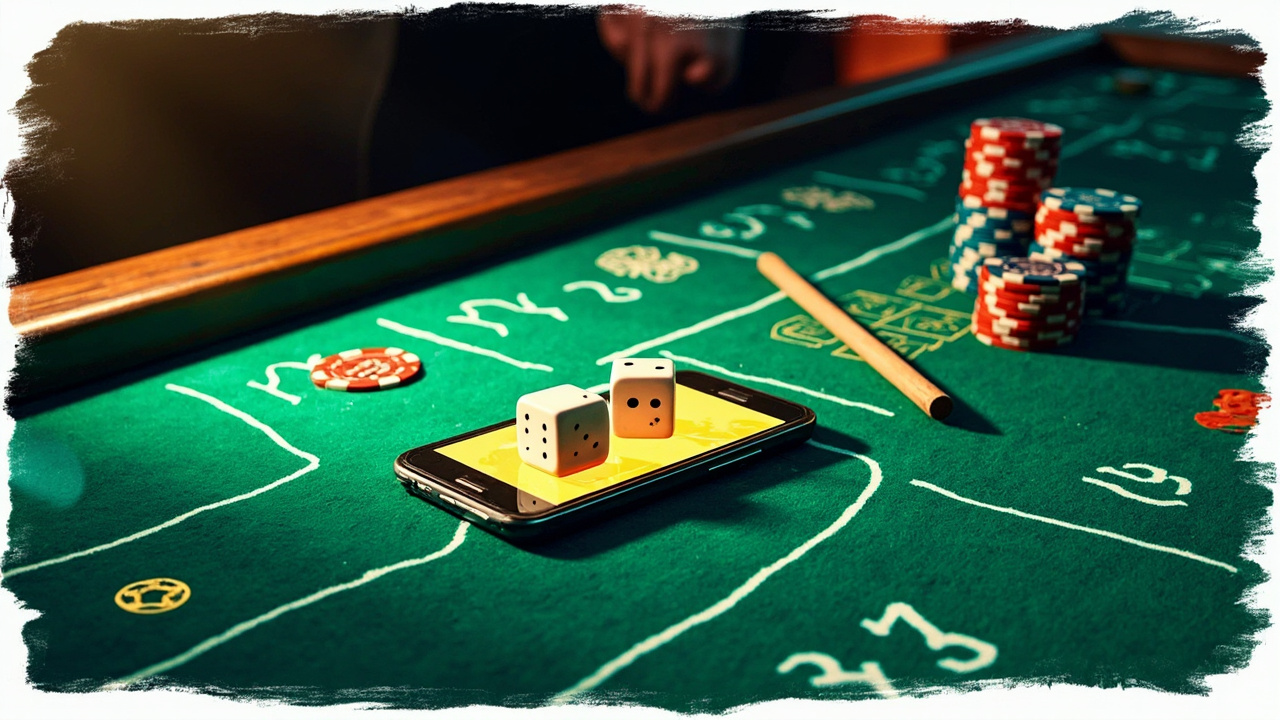
Every bonus buy slot spells out the cost in the paytable, usually somewhere between 50x and 200x your base stake. That figure isn’t arbitrary; it’s calibrated against the feature’s contribution to long-term return. Emily Taylor, Chief Financial Officer at Blue Mountains Interactive, notes that “the buy option is a mathematical trade-off, not a free pass to the bonus round – you’re paying for volatility compression, not a guaranteed payout.” When you click buy, the RNG jumps straight to the feature. Automatic card shufflers in physical venues serve a similar purpose – they remove the wait and any human error between you and the next decision. On screen, the buy button does the same thing in a fraction of a second, which is why the interface matters: a clearly priced tile saves you from misreading the multiplier mid-spin. Players who want to scope the maths before committing can check a dedicated lobby at https://uptownpokies50bonus.com/ where each game’s feature cost sits beside the thumbnail.
How Clean Is the Interface Around the Buy Option?
Bonus buy slots live or die on visual clarity. The best implementations stick a glowing purchase tile beside the spin button with the multiplier in bold. Cameron Walker, Head of Public Relations at Tasman Gaming Partners, warns that “players shouldn’t have to dig through three menus to find what a feature costs – if the buy price is buried, the operator is hiding the maths.” Navigation should feel intuitive whether you’re on desktop or a patchy NBN connection from a Hobart townhouse. Look for games where the buy tile matches the colour language of the trigger animation. Casino nightclubs and pool parties – the “dayclubs” that pack Vegas rooftops – generate enormous revenue because the spectacle is the product; bonus buy slots borrow that playbook with flashing lights and sirens when a feature hits. That sensory payoff should mirror the buy button’s visual weight so you actually feel the purchase land. Treating slot design like physics, the buy tile either adds signal or adds noise. Priced honestly, it’s one of the few elements that earns its screen real estate. A tidy lobby, volatility filters, and a quick AUD toggle round out the everyday usability layer.
Does the Platform Actually Speak Australian?
Localisation is where most international sites fall over. Currency display in AUD – not a sneaky USD conversion – keeps your maths honest. Australian spelling (organise, colour, licence) in the help pages signals someone bothered to localise the strings. Mobile responsiveness matters too; regional internet outside capital centres can be patchy, and a heavy animation suite that buffers will kill the appeal of any bonus buy faster than a bad price. State-level differences shape what’s accessible. Tasmanian players wondering about wagering from their lounge room face the answer that licensed online play is restricted to locally regulated providers, so offshore bonus buy platforms sit outside that frame. The practical question becomes whether the site respects geo-blocks politely or pretends the rule doesn’t exist. Anyone offering a workaround is selling something you shouldn’t buy. The cricket summer helps too – while you’re checking live Test scores and Ashes fixtures between spins on a lazy Sunday arvo, a localised lobby loads faster than a foreign-language version fighting your browser cache.
Who Built the Maths, and Can You Reach Support?
Behind every bonus buy slot sits a maths model: hit frequency, feature RTP, volatility curve. James Foster, Lead Gaming Analyst at Tasman Gaming Partners, cautions that “the buy price changes the volatility profile of the entire session, not just the feature you trigger.” That’s a judgement call worth respecting – a 100x buy on a high-volatility game can drain a bankroll faster than fifty dry spins. Support channels tell you whether the operator treats the maths seriously. Live chat responding in under a minute, a clearly listed licence number, and responsible gambling links to Australian services like Lifeline and Gambling Help Online suggest the platform invested in infrastructure rather than just skin. Loyalty programs that reward consistent play – rather than chase losses – hint at sustainable design. From a slot-mathematics perspective, the difference between a 60x and a 100x buy isn’t cosmetic; it’s a recalibrated volatility profile dressed in the same neon. If the only promotion is “deposit again”, the maths behind the bonuses probably wasn’t the priority.
Run through this before tapping buy:

- Confirm AUD display at deposit and on the bonus buy price screen, not a hidden USD conversion in the cashier.
- Check the volatility filter in the lobby – a 100x buy on a high-volatility slot behaves nothing like a 60x buy on a medium one.
- Test the demo or a low-stake buy before committing real bankroll; 50x your normal stake makes a useful reality check.
- Confirm responsible gambling tools are local: deposit limits, time-outs, and direct links to Lifeline and Gambling Help Online, not a generic footer.
- Read the bonus terms on wagering requirements – free-spin offers on bonus buy titles often exclude the buy feature itself from contribution, which catches plenty of players out.
Bonus buy slots reward players who read the maths before they click. Pick a platform that localises properly, prices its features transparently, and treats responsible gambling as more than a footer line. If your session starts feeling like habit rather than entertainment, stepping away to browse rescue animals ready for adoption shifts the headspace in ways a couch break cannot. Play the maths, not the marketing.